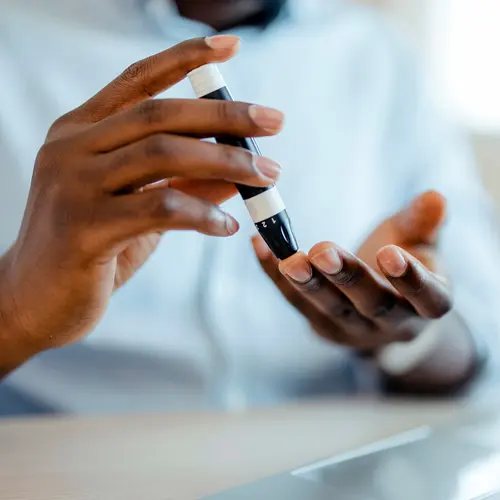
In islet cell transplantation, beta cells are removed from a donor's pancreas and transferred into a person with type 1 diabetes. Beta cells are one type of cell found in the islets of the pancreas and produce insulin, which regulates blood sugar levels. Once transplanted, the donor islets begin to make and release insulin.
What Are the Benefits of Islet Cell Transplantation?
A successful islet cell transplant can significantly improve the quality of life for a person with diabetes.
Once transplanted, the islet cells resume their role of releasing insulin to maintain normal blood sugar levels in response to food, exercise, and other changes in the body.
Successful islet cell transplantation can provide the following benefits:
- Restore or improve the body’s ability to regulate blood sugar levels. The need for frequent blood sugar measurements and daily insulin injections can be reduced, and in a minority of patients, eliminated three years after transplantation. Although being free from insulin injections may only last several months or a year, islet cell transplantation reduces episodes of low blood sugar for a longer time.
- Improve the quality of life.
- Reduce the progression of long-term complications of diabetes, including heart disease, kidney disease, stroke, and nerve and eye damage.
What Are the Risks of Islet Cell Transplantation?
As with all organ and tissue transplants, rejection of the donor cells is the greatest challenge. The immune system serves to protect the body from "invading" substances that do not belong -- bacteria and viruses, for example. Even though the transplanted islet cells are beneficial, the recipient's immune system recognizes it as "foreign" and tries to destroy it. This attack on the donor tissue is called "rejection."
All transplant recipients must take, for the rest of their life, strong drugs to suppress the immune response and prevent rejection. Many of these drugs have serious side effects. The long-term effects of these immunosuppressive or anti-rejection drugs are not yet known, but it is suspected that they may increase the risk of cancer.
How Successful Is Islet Cell Transplantation for Diabetes?
Scientists developed the procedure for transplanting islet cells to treat diabetes in the 1960s. The first transplantation attempts, which began in the 1990s, succeeded only 8% of the time, which was attributed to the fact that anti-rejection drugs available at the time interfered with insulin's effectiveness.
But in 1999, a clinical trial conducted at the University of Alberta in Edmonton, Canada, brought new hope. Using enhanced techniques to collect and prepare the extremely fragile donor islet cells, as well as using improved anti-rejection drugs, the researchers achieved a 100% success rate. All of the patients in their trial were freed from the need for insulin for at least one month.
However, the success of the ''Edmonton Protocol,'' as it was called, was not as successful in later trials, and the number of islet cell transplantations has decreased in more recent years. The Collaborative Islet Transplant Registry reported in 2022 that 50% of adults with type 1 diabetes were free of insulin injections at one year, 30% at three years, and 25% at five years.
Can Anyone With Diabetes Get an Islet Cell Transplant?
Typically, candidates for islet cell transplantation are between the ages of 18 and 65, have had type 1 diabetes for more than 5 years, and are experiencing diabetes-related complications, such as frequent periods of unconsciousness due to lack of insulin and early signs of kidney problems that could lead to kidney failure.
As with all medical procedures, the benefits and risks must be weighed carefully. Transplantation is reserved for those with serious complications of diabetes.
Can Islet Cell Transplantation Be Done at Any Hospital?
Because it is still considered an experimental therapy, islet cell transplantation for diabetes is not widely available. There are currently 17 U.S. centers participating in islet cell research programs. The American Diabetes Association recommends that pancreas or islet cell transplantation be performed only in certain major centers, which are best equipped to handle the complex and long-term medical and personal needs of transplant patients.
What Is the Future of Islet Cell Transplantation Research?
There are two main areas of focus in islet cell transplantation research:
Collecting enough islet cells to do the transplant: Obtaining enough islet cells for transplantation is a major challenge. In most cases, islet cells from several different donors are needed. Because the need surpasses the number of human donors available, researchers are studying the use of cells from other sources, including fetal tissue and animals such as pigs. Researchers are also attempting to grow human islet cells in the laboratory.
Preventing rejection: Researchers are continuously seeking to develop new and better anti-rejection drugs. Many advances have been made in anti-rejection drugs over the past 15 years. Newer drugs -- such as tacrolimus (FK506) and rapamycin -- have fewer and less harmful side effects than some older drugs like cyclosporine and prednisone.
Researchers are also working to develop methods of transplanting islet cells that will reduce or eliminate the risk of rejection and the need for immunosuppression. One approach involves coating the islet cells with a special gel that prevents the immune system from recognizing and targeting the donor cells.