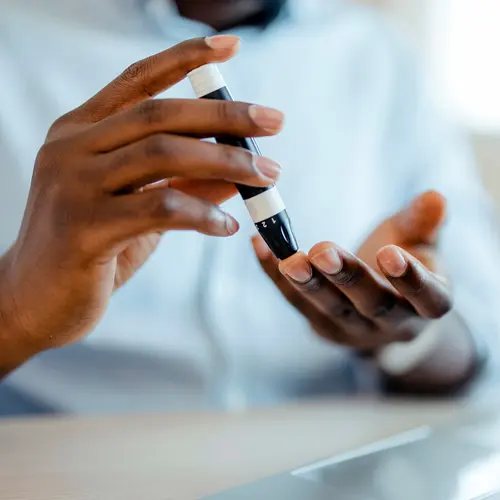
It can take work to get your diabetes under control, but the results are worth it. Uncontrolled diabetes means your blood sugar levels are too high, even if you're treating it. And you may have symptoms such as peeing more often, being thirsty a lot, and having other problems related to your diabetes.
If you don't get a handle on it, you could set yourself up for a host of complications. Diabetes can take a toll on nearly every organ in your body, including your:
- Heart and blood vessels
- Eyes
- Kidneys
- Nerves
- Gastrointestinal tract
- Gums and teeth
Heart and Blood Vessels
Heart disease and blood vessel disease are common problems for many people who don’t have their diabetes under control. You're at least twice as likely to have heart problems and strokes as people who don’t have the condition.
Blood vessel damage or nerve damage may also cause foot problems that, in rare cases, can lead to amputations. People with diabetes are 10 times likelier to have their toes and feet removed than those without the disease.
Symptoms: You might not notice warning signs until you have a heart attack or stroke. Problems with large blood vessels in your legs can cause leg cramps, changes in skin color, and less sensation.
The good news: Many studies show that controlling your diabetes through medication, diet, and exercise can help you avoid these problems or stop them from getting worse if you have them.
Eyes
Diabetes is the leading cause of new vision loss among adults ages 20 to 74 in the U.S. It can lead to eye problems, some of which can cause blindness if not treated:
- Glaucoma
- Cataracts
- Diabetic retinopathy, which involves the small blood vessels in your eyes
Symptoms:
- Vision problems or sudden vision loss
- Blurred vision
- Trouble reading
- See rings around lights or dark spots
- Sensitivity to sunlight and other bright light
- Trouble seeing well at night
Eye damage doesn't always cause symptoms, even when it's advanced. So it's important to see an eye doctor at least once a year for a thorough exam.
The good news: Studies show that regular eye exams and timely treatment of these kinds of problems could prevent up to 90% of diabetes-related blindness. The sooner you get treatment for eye problems, the better. Get help right away if you notice warning signs.
Kidney Disease
Diabetes is the leading cause of kidney failure in adults in the U.S., accounting for almost half of new cases.
Symptoms: You usually don't notice any symptoms with early diabetes-related kidney disease. In later stages, it can make your legs and feet swell.
The good news: Drugs that lower blood sugars and blood pressure (even if you don't have high blood pressure) can cut your risk of kidney failure by 33%.
Nerves
Over time, high blood sugar levels can harm your nerves. As many as 70% of people with diabetes get this type of damage. This usually starts in your hands and feet. But it can also affect your stomach, bowels, bladder, genitals, heart, and other parts of your body. See your doctor right away if you get:
- Tingling, pain, or numbness in your hands or feet
- Stomach problems like nausea, vomiting, or diarrhea
- A lot of bladder infections or trouble emptying your bladder
- Problems getting or keeping an erection
- Dizzy or lightheaded
If you have nerve damage, you can improve or slow its progress if you keep your blood sugar levels near normal. Some supplements and medications for pain, nausea, or sexual problems can also help.
There are several types of nerve damage stemming from diabetes, including:
- Peripheral diabetic neuropathy can cause pain and burning or a loss of feeling in your feet. It usually starts with your toes. It can also affect your hands and other body parts.
- Autonomic neuropathy stems from damage to the nerves that control your internal organs. Symptoms include sexual problems, digestive issues (a condition called gastroparesis), trouble sensing when your bladder is full, dizziness and fainting, or not knowing when your blood sugar is low.
- Diabetic amyotrophy causes severe aching or burning and lancinating pain in the hip and thigh followed by weakness in the thigh muscles. This is a rare condition.
The good news: You have many options to treat your pain. The doctor might prescribe an anticonvulsant, which is typically prescribed for seizures but is often used for nerve pain. They could also give you drugs that go on your skin, like creams or patches. They might suggest you use a device that stimulates your nerves called TENS (transcutaneous electrical nerve stimulation).
Teeth
Having diabetes puts you at higher risk for gum disease.
Symptoms: Your gums might be red and swollen and bleed easily.
The good news: If you keep your blood sugar under control, visit your dentist regularly, and take good care of your teeth each day by brushing, flossing, and rinsing with an antiseptic mouthwash, you can avoid gum problems and tooth loss.
Skin Problems
Skin problems like yeast infections are a warning that your blood sugar is too high.
Symptoms:
- Itching in moist folds of your skin, such as under your breasts, between fingers and toes, or in your armpits
- Itching, pain, or discharge in your vagina
- For uncircumcised men, itching under the foreskin
Your doctor may prescribe medication for yeast infections, especially if you get them often.
Watch for these other skin symptoms:
- Hair loss on your toes, feet, or lower legs
- Brown patches of raised skin on the sides of your neck, armpit, or groin, called acanthosis nigricans
Diabetes Emergency
If your blood sugar is very high over time, that could lead to more serious conditions, including a coma or even death. Call your doctor right away if you:
- Get very tired
- Lose weight
- Feel hungry a lot
- Get very thirsty and pee often
Problems Without Warning Signs
Some serious health issues linked to diabetes may not have any symptoms, such as:
- Kidney disease
- High blood pressure
- Heart disease
With diabetes, you may not have symptoms of heart disease even if you're having a heart attack. And if you have kidney disease, there could be no warning signs until your kidneys are damaged.
Even without symptoms, though, you can catch these problems early, or make them less likely, with these steps:
- See your doctor at least once a year.
- Take your diabetes medication as prescribed.
- Try to lose weight if you're overweight.
- Eat healthy and don't skip meals.
- Exercise regularly.
- If you smoke, get help to quit.
- Work with your doctor to keep your blood sugar, blood pressure, and cholesterol under control.
Take Charge of Your Condition
Some people have to make only small lifestyle changes to keep their blood sugar under control to halt or even reverse a diabetes complication. Others need medications or even surgery to manage complications and prevent them from getting worse.
Treatment of complications focuses on slowing down the damage. That may include medication, surgery, or other options.
But the most important ways to slow diabetes complications are to keep your blood sugar levels under control, eat right, exercise, lose weight, avoid smoking, and get high blood pressure and high cholesterol treated.